




 USD
USD
How to Trade Memecoins With Stop Loss Orders (Without Getting Wrecked)

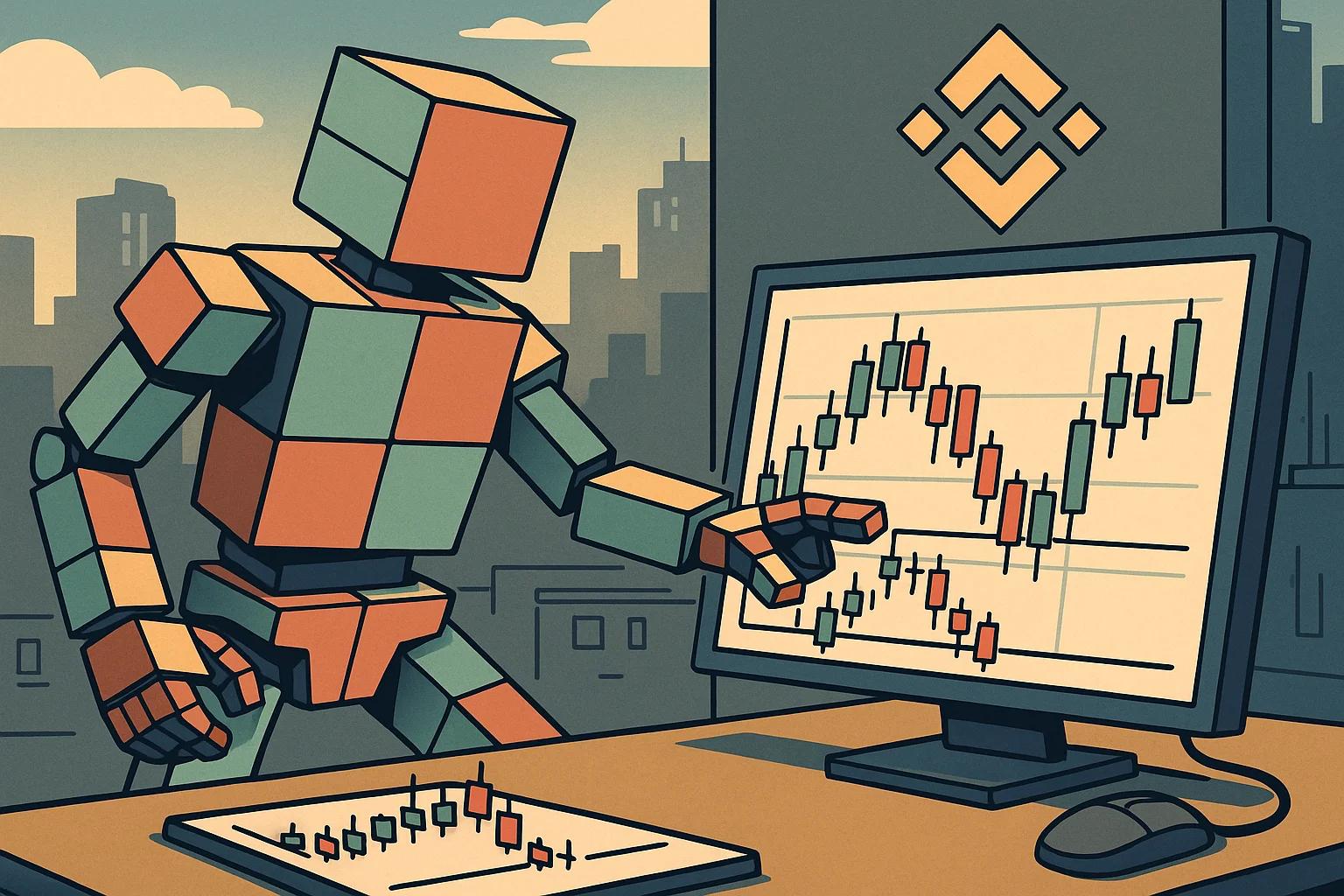
You want to trade memecoins, but you also want a stop loss—because one candle can erase a week of gains. The problem is most memecoin activity starts on DEXs where “stop loss” isn’t native, while centralized exchanges can offer stops but may not list the coin you want. The practical solution is choosing the right venue for the coin, then placing stops in a way that actually executes when volatility spikes.
TL;DR
- You’ll be able to answer “crypto where can i trade memecoins with stop loss” and place a stop that can actually trigger.
- Expect 10–25 minutes to set up (longer if you need to bridge funds or complete KYC).
- Most people get burned by using the wrong order type (stop-market vs stop-limit) or trading a memecoin with thin liquidity.
Memecoin trading is mostly an execution problem, not an “idea” problem. You can be right about direction and still lose because your stop never triggers, triggers too late, or triggers into a liquidity hole. The annoying reality is that the best place to buy a memecoin (often a DEX) is not always the best place to manage risk (often a CEX with real stop orders). Your job is to match the coin and your risk controls to the right venue.
What you need before you start
You need three things: a venue that supports the memecoin you want, an order system that can place a stop loss, and enough liquidity that your stop doesn’t become a donation.
First, decide whether you’re trading on a centralized exchange (CEX) or decentralized exchange (DEX). If your priority is “stop loss that works like a trader expects,” a CEX with stop orders is usually the cleanest path. If your priority is “trade the newest coin early,” you’ll often end up on a DEX and you’ll need a workaround (like a bot/automation layer) because most DEX swaps are just spot swaps.
Second, have the right wallet and balances ready:
- For a CEX route: an exchange account, any required identity verification (KYC), and a deposit asset the exchange accepts (often USDT/USDC or a major coin). Keep a little extra on the exchange for fees and to avoid “insufficient balance” when you place orders.
- For a DEX route: a self-custody wallet (commonly MetaMask for EVM chains or Phantom for Solana), the correct network selected, and the chain’s native token for gas (ETH on Ethereum L1/L2s, SOL on Solana, etc.). If you’re bridging to a different network, you also need gas on the destination chain—this is where people get stuck.
Third, know what “stop loss” means in your venue:
- On a CEX, you can usually place a stop-market or stop-limit order. Stop-market prioritizes execution; stop-limit prioritizes price but can fail to fill.
- On a DEX, you may need a limit/stop automation tool. That adds smart contract risk and operational risk (wrong settings, wrong token, wrong trigger).
If you’re also comparing venues because you’re looking for the best app to trade meme coins, don’t treat “app” as the deciding factor. The deciding factor is: does it list the coin, does it support stop orders, and is there enough liquidity that your stop has a chance to fill.
Step-by-step
Choose CEX vs DEX: Start by checking where the memecoin actually trades with meaningful volume. If it’s listed on a reputable CEX that supports stop orders, that’s usually the simplest way to get a real stop loss. If it’s only on a DEX, accept that you’re either trading without native stops or you’re adding an automation layer. Before moving on, confirm the exact ticker/contract (to avoid fakes) and confirm the venue supports the pair you want (for example, MEME/USDT rather than MEME/BTC).
Verify liquidity and spread: Open the order book (CEX) or the pool stats (DEX) and look for signs you’ll get chopped up: wide bid/ask spread, thin depth near the current price, or huge price impact for modest size. This matters because a stop loss is only as good as the market you’re trying to exit into. Before moving on, decide your position size based on what the market can absorb—if your exit would move price noticeably, your stop will likely slip hard.
Fund the right account: Move funds to the place you’ll trade. On a CEX, deposit the asset you’ll use as collateral/quote (often USDT/USDC) and make sure it lands in the correct sub-account (spot vs derivatives) if the exchange separates them. On a DEX, fund your wallet and ensure you have native gas on that same chain. Before moving on, verify the network for deposits/withdrawals matches exactly; “wrong network” is the classic way to strand funds.
Pick the order type: For memecoins, stop-market is usually the more honest tool because it’s designed to get you out during fast moves. Stop-limit can look safer, but it often fails in the exact moment you need it—price gaps through your limit and you’re still holding. Before moving on, decide what you’re optimizing for: if you need certainty of exit, use stop-market; if you’re trading a very liquid memecoin and you can tolerate non-fills, stop-limit can be acceptable.
Set the stop level logically: Don’t place stops at obvious round numbers or at the exact low of the last candle; memecoins love to wick those levels and reverse. A more practical approach is to place the stop where your trade idea is invalidated (for example, below a prior swing low on the timeframe you’re trading). Before moving on, sanity-check the distance: if your stop is so tight that normal noise hits it, you’re not “risk-managing,” you’re just paying fees.
Place entry and stop as a plan: Enter the position, then immediately place the stop loss (or use an order bracket/OCO if your platform supports it). This matters because the worst time to “do it in a second” is right after you buy and the chart starts moving. Before moving on, confirm the stop is actually active (not “trigger pending” with missing size) and that it’s tied to the correct position size.
Monitor execution conditions: Memecoin stops can trigger during spikes when the venue is stressed: partial fills, slippage, or temporary order rejections happen more often than people admit. Keep an eye on open orders, and if the coin is moving violently, consider reducing size or widening the stop to avoid getting wicked out repeatedly. Before moving on, confirm you understand what happens after a trigger on your venue (market order sent, limit order placed, or automation swap submitted).
Clean up permissions and leftovers: If you traded on a DEX or used an automation contract, revoke token approvals you no longer need and move excess funds back to your safer wallet setup. This matters because approvals can outlive your trade, and memecoin ecosystems attract malicious contracts. Before moving on, confirm you’re revoking the correct token approval on the correct chain, and that you’re not breaking an active strategy that still needs permission.
Where to trade memecoins with stop loss (practical options)
If you’re searching “crypto where can i trade memecoins with stop loss,” the real answer is: you can do it reliably on venues that support conditional orders (stops), and you can approximate it on DEXs using automation.
Centralized exchanges are usually the best platform to trade meme coins with stop loss because stops are a native feature and execution is handled by the exchange matching engine. The tradeoff is listing availability: the newest memecoins often appear on DEXs first.
Decentralized exchanges answer “where can I trade meme coins” for early access, but they usually don’t answer “with stop loss” unless you add a tool that can place conditional orders or automate a sell when a trigger is hit. That extra layer can work, but it adds smart contract risk and more ways to misconfigure the trade.
If your main goal is risk control, pick the venue based on order types first, coin availability second. That’s the opposite of how most people do it, and it’s why they keep taking “unlucky” losses.
What goes wrong
Wrong network deposit/withdrawal
- Symptom: Funds don’t arrive, or the exchange shows “completed” but your wallet balance is unchanged.
- Fix: Check the transaction hash on the correct chain explorer for the network you used; if you sent to an exchange on an unsupported network, you’ll need exchange support (and recovery may be slow or impossible). If you sent to your own wallet on the wrong chain, add the network/token contract to view it.
Stop-limit doesn’t fill
- Symptom: Price blows past your stop, your order triggers, but you’re still holding the position.
- Fix: Use stop-market for exits in fast markets, or set a limit that’s realistically fillable (accepting worse price). If liquidity is thin, reduce size.
Stop triggers with huge slippage
- Symptom: You get filled far below your stop price (CEX) or your DEX sell executes at a much worse rate than expected.
- Fix: Trade only where there’s real depth, size down, and avoid setting stops right at obvious liquidity pools. On DEXs, tighten your slippage settings only if you accept the risk of a failed transaction.
Pending DEX transaction stalls
- Symptom: Your swap/approval sits pending while price moves away, sometimes for minutes.
- Fix: Speed up or replace the transaction in your wallet by increasing the fee, or cancel if the wallet supports it. Next time, avoid trading during extreme congestion and keep enough native gas to adjust fees.
Approval left active after trading
- Symptom: You later notice unlimited token allowance to a router/contract you don’t plan to use again.
- Fix: Revoke the allowance using a reputable token approval checker, then re-approve only when needed. If you used unlimited approvals for convenience, treat that as a deliberate risk choice, not a default.
Fake token / wrong contract
- Symptom: You bought a token with the same name/ticker, but it doesn’t match the real market and can’t be sold normally.
- Fix: Verify the contract address from the project’s official channels and cross-check it on the explorer. On CEXs, verify the exact ticker and network; on DEXs, never rely on name/logo alone.
When this isn't the right move
If you’re trying to trade a brand-new memecoin that only exists in a tiny DEX pool, a stop loss may be more psychological comfort than real protection. Your “stop” can trigger into a pool that can’t absorb your sell, or your automation can fail during congestion.
If you can’t watch the position at all and you’re forced onto a DEX-only coin, consider skipping the trade or sizing so small that a full loss is tolerable. Stops are not magic; they’re an execution instruction, and execution is exactly what breaks first in memecoin conditions.
If you’re using borrowed funds or high leverage, memecoins can move far enough to liquidate you before a stop helps. In that case, the better move is lower leverage (or none) and smaller size, not “a tighter stop.”
Tools and references
If you want a clean stop-loss workflow, the tools that matter are the exchange’s conditional order system (for CEX trading) or a well-known limit/automation protocol (for DEX trading). For self-custody hygiene, use a reputable token approval revocation tool and the official chain explorer for your network to verify transactions and contract addresses.
Official references worth bookmarking:
- Ethereum network basics and wallets: ethereum.org
- MetaMask wallet (EVM chains): metamask.io
- Phantom wallet (Solana): phantom.app
- Uniswap (DEX category example): uniswap.org
- 1inch (DEX aggregator category example): 1inch.io
If you’re also tracking whether a memecoin is getting too crowded before you enter, use a crypto price index and coin market cap context as a sentiment check—but don’t confuse that with liquidity on your specific trading pair. A coin can have a big headline crypto price and still trade like a ghost on the venue you’re using.


