




 USD
USDHow to Trade Memecoins When Your Trades Keep Failing

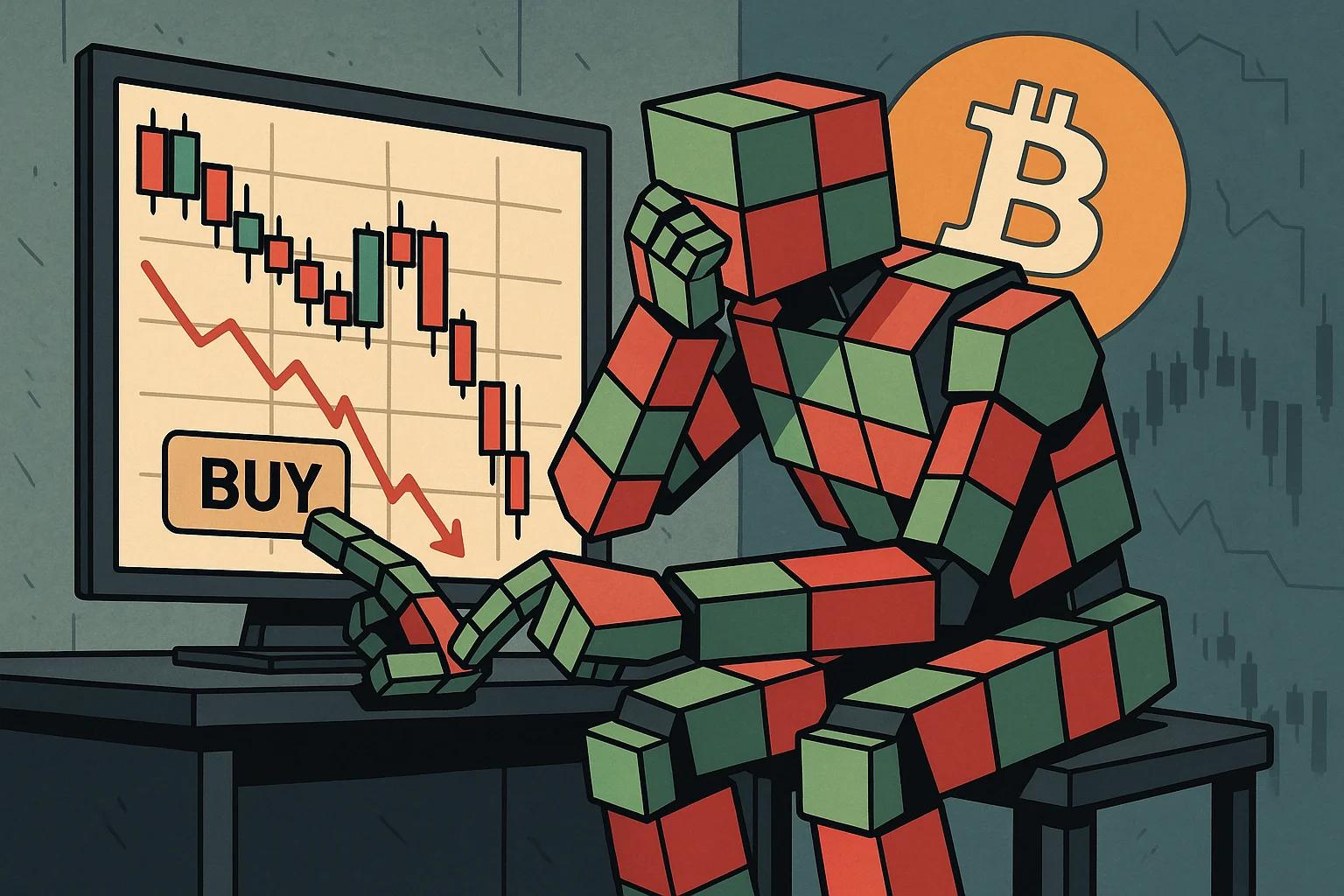
If your memecoin trades keep failing, it’s usually not because you “picked the wrong coin.” It’s because memecoins punish sloppy execution: chasing green candles, buying illiquid pairs, ignoring BTC-driven risk-off moves, and holding through unlocks or hype cycles that are already over. The fix isn’t a magic indicator—it’s a tighter process that forces you to define liquidity, invalidation, and exits before you click buy.
TL;DR
- You’ll be able to build a simple, repeatable process for how to trade memecoins failing setups.
- Expect 30–90 minutes to set your rules and watchlist, then 5–15 minutes per trade.
- The one thing most people get wrong is entering without a pre-defined invalidation and exit plan.
Memecoins are a different animal from majors. They move on attention, liquidity, and reflexive momentum more than fundamentals, and they punish hesitation because the spread widens and the candle you wanted is gone. If your trades keep failing, you’re probably mixing timeframes, sizing too big for the volatility, or trading coins that can’t actually absorb your order without slipping.
This is an explainer, but it’s meant to be used like a checklist. You’ll set a few hard rules (liquidity, entry trigger, invalidation, exit ladder), then run the same workflow every time. That consistency is what stops the “random outcome” feeling.
What you need before you start
You need a place to trade that matches the memecoins you’re targeting. For most people that’s either a centralized exchange (simpler execution, fewer wallet mistakes) or an onchain DEX (more listings, more traps). Pick one environment for a month so you can actually measure whether your process works.
Have a wallet or exchange account that can handle fast execution. Onchain, that means a self-custody wallet (like MetaMask or Rabby) and the correct network selected before you do anything. Keep a small buffer of the chain’s native token for gas; the most common “I missed the entry” story is simply running out of gas or needing to bridge at the worst moment.
You also need a charting setup that lets you mark levels and flip timeframes quickly. TradingView is the default for most traders, but any platform that shows volume, candle structure, and basic moving averages is fine. The key is consistency: use the same indicators and timeframes so your signals don’t change based on mood.
Finally, decide your risk unit. If you can’t say “I’m risking X per trade,” you’re not trading—you’re hoping. Use a fixed fraction of your account or a fixed dollar amount, but keep it small enough that a string of losses doesn’t tilt you into revenge trading.
Step-by-step
Define your market regime: Start by checking whether the broader market is risk-on or risk-off, because memecoins amplify whatever the market is doing. Look at BTC and ETH on higher timeframes (4H/1D) and ask one question: are they trending cleanly or chopping? This matters because the answer often decides whether your memecoin pump continues or gets sold into. If you’ve ever wondered, “do bitcoin retracements affect meme coins,” the practical answer is yes—especially when BTC sells off quickly, liquidity pulls back and meme coin bids disappear. Before moving on, confirm you’re not trading memecoins aggressively during a sharp BTC dump unless your plan explicitly includes that scenario.
Filter for real liquidity: Most failed memecoin trades are actually liquidity problems wearing a different costume. On a CEX, check 24h volume and the order book depth near the mid price; onchain, check pool liquidity and recent trade size. You want a coin where your position size won’t move the price much and where you can exit without eating a brutal spread. Before moving on, estimate your slippage: if you can’t enter and exit near your intended price in a calm moment, it will be worse when the chart goes vertical.
Pick one timeframe to trade: Memecoin charts will tempt you into zooming until you find a reason to buy. Don’t. Choose a primary timeframe (often 15m or 1H for active trading, 4H for slower swings) and use a higher timeframe (4H/1D) only for context. This matters because your stop and target need to live on the same timeframe as your entry logic. Before moving on, write down: “I am trading the 1H trend; I will not invalidate it using a 1m wick.”
Mark levels that matter: Do your meme coin technical analysis with a bias toward obvious levels: prior highs/lows, consolidation ranges, and big volume nodes. Memecoins respect simple structure because so many participants are trading the same visible levels. The goal is to avoid buying in the middle of nowhere. Before moving on, you should have at least one clear support (where you’d be wrong) and one clear resistance/target (where you’d take profit) marked on your chart.
Choose a single entry trigger: Your entry trigger should be mechanical enough that you can’t talk yourself into it. Common triggers that work better than “it looks strong” are: a break-and-retest of a range high, a higher low after a pullback, or a reclaim of a moving average that you consistently use (like a 20/50 EMA on your chosen timeframe). This matters because memecoins move fast; if you hesitate, you end up buying the top of the impulse. Before moving on, confirm your trigger happened on your chosen timeframe and that volume/price action supports it (not just one random wick).
Set invalidation and position size: This is where most people’s meme coin trading strategy collapses. Put your invalidation at a level that proves your idea wrong (usually below the structure you’re trading), not at a random percentage. Then size the trade so that if your stop hits, you lose only your pre-defined risk unit. This matters because memecoins can drop hard even in bull phases, and oversized positions force you to “hold and hope.” Before moving on, calculate: entry, stop, and the exact amount you’ll buy so the loss is tolerable.
Plan exits before you enter: Memecoin winners often come from catching a strong impulse, but memecoin survival comes from taking profits. Decide in advance whether you’ll use a ladder (taking partial profits at key levels) or a trailing exit (following structure higher). A simple approach is to take some profit into the first major resistance, then let the rest ride with a stop that moves up under higher lows. Before moving on, place your take-profit orders (or at least write them down) so you’re not making decisions while the candle is ripping.
Execute cleanly and log it: Place the trade with the least friction possible: limit orders when liquidity allows, market orders only when you accept slippage as the cost of speed. Onchain, double-check token contract, network, and approval prompts; on CEX, double-check you’re on the correct pair (spot vs perps) and not using accidental leverage. This matters because many “bad trades” are actually execution errors. Before moving on, take a screenshot and log: entry reason, timeframe, stop, targets, and what BTC was doing at the time.
What goes wrong
Wrong network or token contract
- Symptom: You bought a token you can’t sell, or your wallet shows a different asset than expected.
- Fix: Verify the token contract from the project’s official channels and compare it in your wallet/DEX; if you approved the wrong token, revoke approvals and stop interacting with that contract.
Illiquidity and brutal slippage
- Symptom: Your entry fills far worse than expected, and selling moves the price against you.
- Fix: Reduce size, trade only higher-liquidity venues/pairs, and use limit orders where possible; onchain, lower slippage tolerance and avoid thin pools.
Chasing the impulse candle
- Symptom: You buy after a vertical move, then price immediately retraces and you panic-sell.
- Fix: Require a pullback or break-and-retest trigger; if you missed it, skip it and wait for the next setup.
Stop placed where everyone hunts
- Symptom: You get wicked out, then price continues in your original direction.
- Fix: Place invalidation beyond the structure level that actually breaks your thesis, then reduce position size to keep risk constant.
BTC/ETH dump during your trade
- Symptom: Your memecoin setup looks fine, then everything sells off together and liquidity vanishes.
- Fix: Add a market regime rule: if BTC breaks a key support on your higher timeframe, reduce exposure or exit; don’t pretend memecoins are uncorrelated during risk-off.
Pending onchain transaction
- Symptom: Your swap sits pending while price runs away, or you can’t sell because a previous tx is stuck.
- Fix: Speed up or cancel in your wallet by replacing the transaction with a higher gas fee; avoid stacking multiple pending transactions with the same nonce.
Approval permissions left open
- Symptom: You approved a token spend and later worry about wallet safety.
- Fix: Revoke token approvals using a reputable approval manager and keep a separate “hot” wallet for memecoin trading.
When this isn't the right move
Memecoin trading isn’t the right approach if you can’t watch the market during your trade window. These coins can move too fast for set-and-forget unless you’re trading a higher timeframe with wide stops and smaller size.
It’s also a bad fit if your edge is long-term investing based on fundamentals. Memecoins are attention-driven; the “coin market cap” can balloon and deflate quickly without the kind of durable adoption signals you’d rely on elsewhere.
If you’re consistently getting chopped up, consider stepping back to higher-liquidity assets until your execution improves. Many traders build skill on majors first, then apply the same structure-based process to memecoins once they can follow rules under pressure.
Tools and references
If you’re trading onchain, use official wallet software and official DEX front-ends, and keep a separate hot wallet for higher-risk activity. For Ethereum basics and wallet safety concepts, start with ethereum.org. If you’re using a DEX aggregator, stick to the official domain and bookmark it so you don’t end up on a phishing clone.
For market context, it helps to keep a simple dashboard open that tracks a crypto price index view of majors alongside your memecoin watchlist. You’re not looking for perfect correlation—just early warning when the whole market flips risk-off and your meme coin trading strategy needs to tighten up.


