




 USD
USD
Binance Moves $1B SAFU Reserves Into Bitcoin as OKX CEO Alleges USDe Role in October 2025 Crash Amid U.S. Liquidity Shock

SAFU Reallocation, USDe Leverage Claims, and Macro Liquidity Pressure Converge
TL;DR
- Binance began reallocating $1 billion of its SAFU reserves into Bitcoin, starting with a 1,315 BTC transfer tied to a 30-day plan.
- The OKX CEO accused Binance’s USDe yield campaign of amplifying leverage ahead of the October 10, 2025 market crash.
- Raoul Pal attributed a $250 billion crypto market drawdown to U.S. dollar liquidity shortages rather than structural failure.
We’ve launched the all-new COIN360 Perp DEX, built for traders who move fast!
Trade 130+ assets with up to 100× leverage, enjoy instant order placement and low-slippage swaps, and earn USDC passive yield while climbing the leaderboard. Your trades deserve more than speed — they deserve mastery.
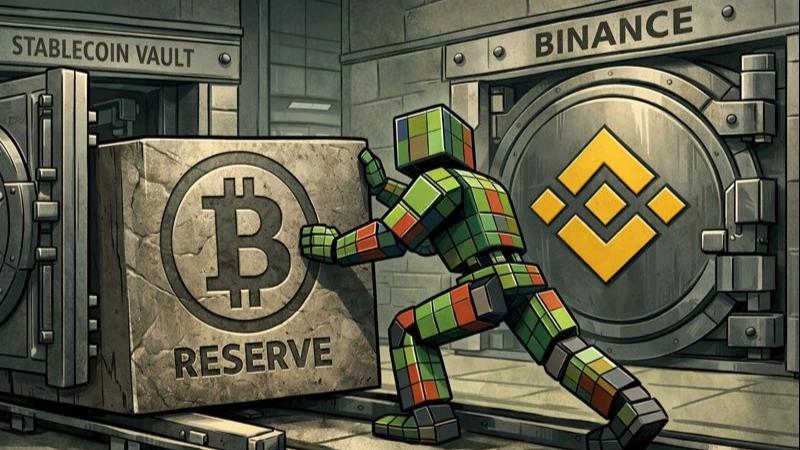
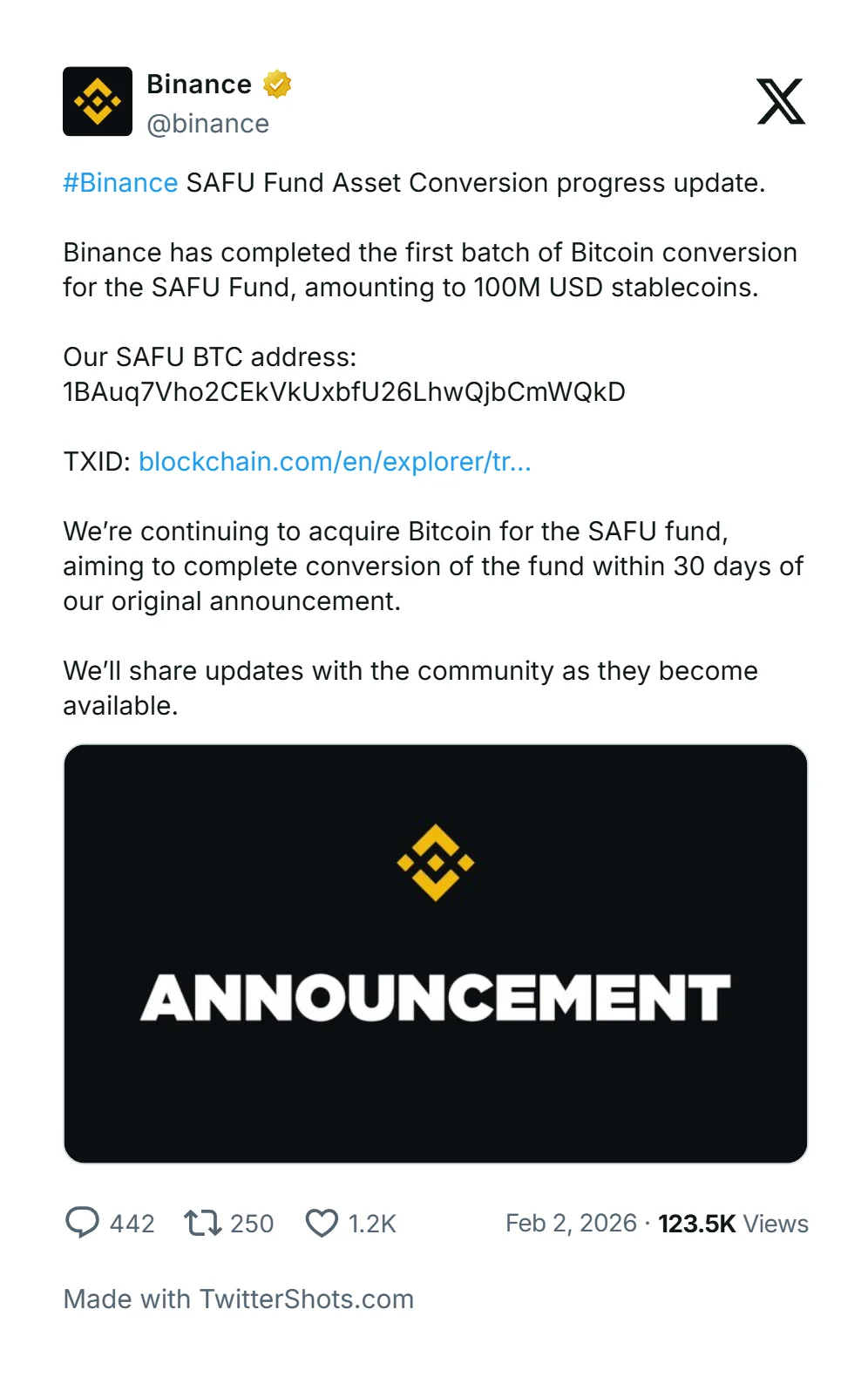
Binance initiated the first phase of a planned $1 billion Bitcoin reallocation into its Secure Asset Fund for Users on February 2, 2026, transferring 1,315 BTC valued at roughly $100 million at the time. The move followed a January 30, 2026 disclosure that the exchange would gradually shift SAFU reserves from stablecoins into Bitcoin over a 30-day period. The fund, historically structured to preserve capital for user protection, will now be primarily denominated in Bitcoin, directly tying its valuation to crypto price movements rather than dollar-pegged assets.
The exchange stated that it would replenish the SAFU balance if its value drops below $800 million, setting a defined threshold as the fund transitions into a more volatile reserve asset. The reallocation spread purchases across multiple weeks rather than executing a single transaction, limiting immediate impact on spot markets tracked by the crypto price index and reducing abrupt changes in crypto price behavior during the transition period. The SAFU shift took place as broader attention remained fixed on exchange risk management and reserve composition across the coin market cap landscape.
Heightened scrutiny followed public remarks from the CEO of OKX, who linked Binance’s USDe yield campaign to the market crash that unfolded on October 10, 2025. The OKX executive argued that Binance’s presentation of USDe encouraged users to treat the product as a stablecoin-like instrument despite its embedded leverage, stating that the exchange “turned a high-risk financial structure into something that appeared functionally equivalent to a stablecoin.” The comments framed USDe as a catalyst for leverage buildup across trading venues ahead of the downturn.
According to the remarks, USDe’s yield mechanics allowed capital to be recycled through collateral and margin strategies, increasing interconnected exposure across centralized platforms before volatility accelerated. The criticism focused on product framing rather than a single failure point, with the CEO describing how leverage loops intensified liquidation pressure once redemptions and margin calls converged during the October event. The accusations added to broader discussions around disclosure standards for yield-bearing exchange products.
Separate from exchange-specific dynamics, macro investor Raoul Pal addressed the broader market context on February 2, 2026, attributing a $250 billion decline in total crypto market value to tightening U.S. dollar liquidity rather than internal crypto weaknesses. Pal cited Treasury cash management and capital withdrawal from long-duration assets as key drivers behind the sell-off, noting that Bitcoin’s decline moved in parallel with technology and SaaS equities during the same period.
Pal rejected claims that crypto markets had structurally failed, saying Bitcoin had not “broken” but instead behaved consistently with other liquidity-sensitive assets during the contraction. The sell-off unfolded over a single weekend, coinciding with broader stress across risk assets and reinforcing the role of macro funding conditions in shaping near-term crypto price trends tracked across major crypto price index benchmarks.
This article has been refined and enhanced by ChatGPT.


