




 USD
USD
Do Kwon Sentenced to 15 Years as U.S. Court Closes One of Crypto’s Largest Fraud Chapters

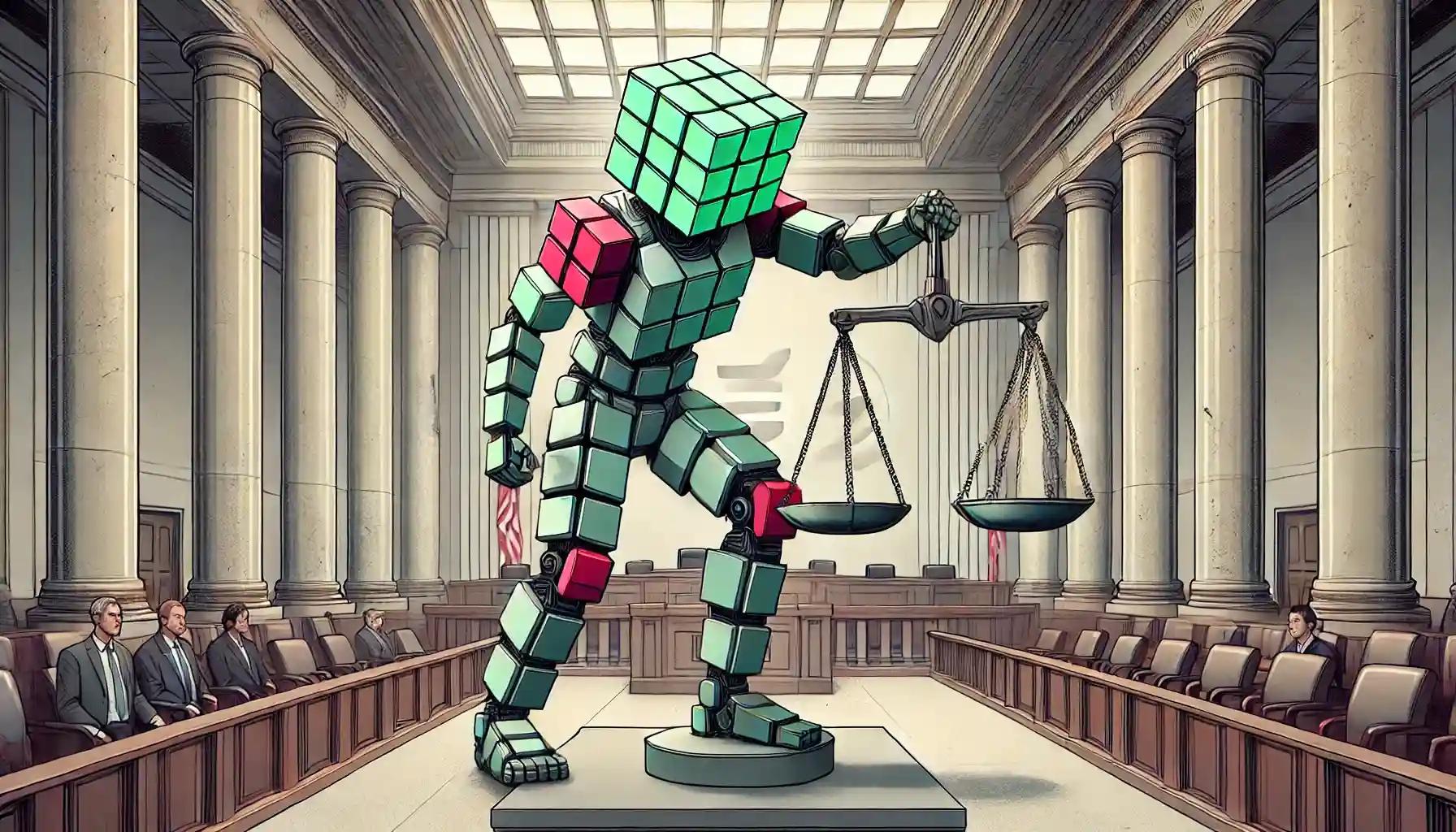
TerraUSD Collapse, $40 Billion in Losses, and a Prison Term That Redefines Crypto Enforcement
TL;DR
- Do Kwon received a 15-year U.S. federal prison sentence for wire fraud tied to the $40B TerraUSD collapse.
- The court cited large-scale investor deception, while factoring in Kwon’s guilty plea and cooperation.
- The case adds to a growing trend of long prison terms for crypto executives, reshaping enforcement expectations.
We’ve just launched the all-new COIN360 Perp DEX, built for traders who move fast!
Trade 130+ assets with up to 100× leverage, enjoy instant order placement and low-slippage swaps, and earn USDC passive yield while climbing the leaderboard. Your trades deserve more than speed — they deserve mastery.
Do Kwon, the co-founder and former chief executive of Terraform Labs, has been sentenced to 15 years in U.S. federal prison, bringing one of the crypto industry’s most consequential fraud cases to a definitive close. The sentence was handed down in Manhattan federal court in mid-December 2025, following Kwon’s guilty plea to wire fraud and conspiracy charges connected to the collapse of TerraUSD and its sister token Luna. Prosecutors described the case as one of the most damaging episodes in digital asset history, citing roughly $40 billion in market value wiped out during the May 2022 implosion, an event that rippled across global crypto markets and destabilized sentiment well beyond a single project.
Federal Judge Paul A. Engelmayer imposed a term longer than what prosecutors sought and far above what the defense requested, underscoring the court’s view that the misconduct went beyond ordinary business failure. Court records detailed how TerraUSD was marketed as an algorithmic stablecoin designed to maintain a one-to-one peg with the U.S. dollar, while internal actions contradicted those public claims. Kwon admitted that the peg’s stability relied on undisclosed interventions and trading arrangements, rather than the automated mechanisms promoted to investors. That deception, the judge noted, distorted risk perceptions across the ecosystem at a time when retail participation was surging and crypto price volatility was already elevated.
Victim impact played a central role in the sentencing decision. Letters submitted to the court described life-altering financial losses, including wiped-out retirement accounts and savings accumulated over decades. Some investors linked their losses directly to decisions made after reviewing Terraform Labs’ public assurances. The court characterized the scheme as one that exploited trust during a period when many participants relied on emerging benchmarks like crypto price index data, headline crypto price movements, and expanding coin market cap figures to gauge legitimacy and scale. When TerraUSD collapsed, those metrics moved sharply, amplifying panic and accelerating contagion across lending platforms and trading desks.
Kwon’s legal path differed sharply from other high-profile crypto prosecutions. He pleaded guilty in August 2025 after being extradited from Montenegro, where he had been detained for attempting to travel on forged documents. That plea, along with expressions of remorse and cooperation with authorities, contributed to a sentence significantly shorter than the 25-year term imposed on former FTX chief Sam Bankman-Fried. Analysts and legal experts have pointed to this contrast as evidence that U.S. courts are drawing a clear distinction between defendants who accept responsibility early and those who contest charges through trial while denying wrongdoing.
Financial penalties accompanied the prison term. Kwon agreed to forfeit tens of millions of dollars linked to the fraud and previously settled a civil case with regulators that resulted in additional fines and a lifetime ban from participating in U.S. crypto markets. Separate criminal proceedings remain possible in South Korea, where prosecutors have pursued parallel investigations related to the same collapse. Legal observers note that time already served abroad may factor into sentence calculations, though Kwon still faces the prospect of further incarceration if convicted elsewhere.
Beyond the individual case, the sentencing carries broader implications for the digital asset industry. Recent analyses show a sharp increase in cumulative prison time handed to crypto executives since 2024, with Kwon’s 15-year term adding to a total that now exceeds eight decades. That trajectory reflects a shift in enforcement philosophy, where misleading disclosures and structural misrepresentations are treated less as regulatory infractions and more as criminal fraud. As regulators and courts scrutinize projects that promise stability or yield, the TerraUSD case stands as a reference point for how quickly confidence can unravel when narratives diverge from reality, and how severe the consequences can be when market trust is abused.
This article has been refined and enhanced by ChatGPT.


