




 USD
USD
Ethereum Layer-2 Usage, Decentralization, and Identity Questioned as Fees Fall and Activity Concentrates

Data Shows Most Ethereum Rollups Underused as Vitalik Challenges Original L2 Rationale
TL;DR
- More than 80% of 135 Ethereum layer-2 networks process under 1 user operation per second, while Arbitrum and Base handle about 90% of all rollup activity.
- Vitalik Buterin said on Feb. 3, 2026 that “most existing Layer 2s no longer have a clear purpose,” calling the idea of “the same chain everywhere” effectively over.
- Nearly all rollup value remains short of full decentralization, with 91.5% at Stage 1, 8.5% at Stage 0, and about 0.01% at Stage 2, which Buterin described as “basically empty.”
We’ve launched the all-new COIN360 Perp DEX, built for traders who move fast!
Trade 130+ assets with up to 100× leverage, enjoy instant order placement and low-slippage swaps, and earn USDC passive yield while climbing the leaderboard. Your trades deserve more than speed — they deserve mastery.
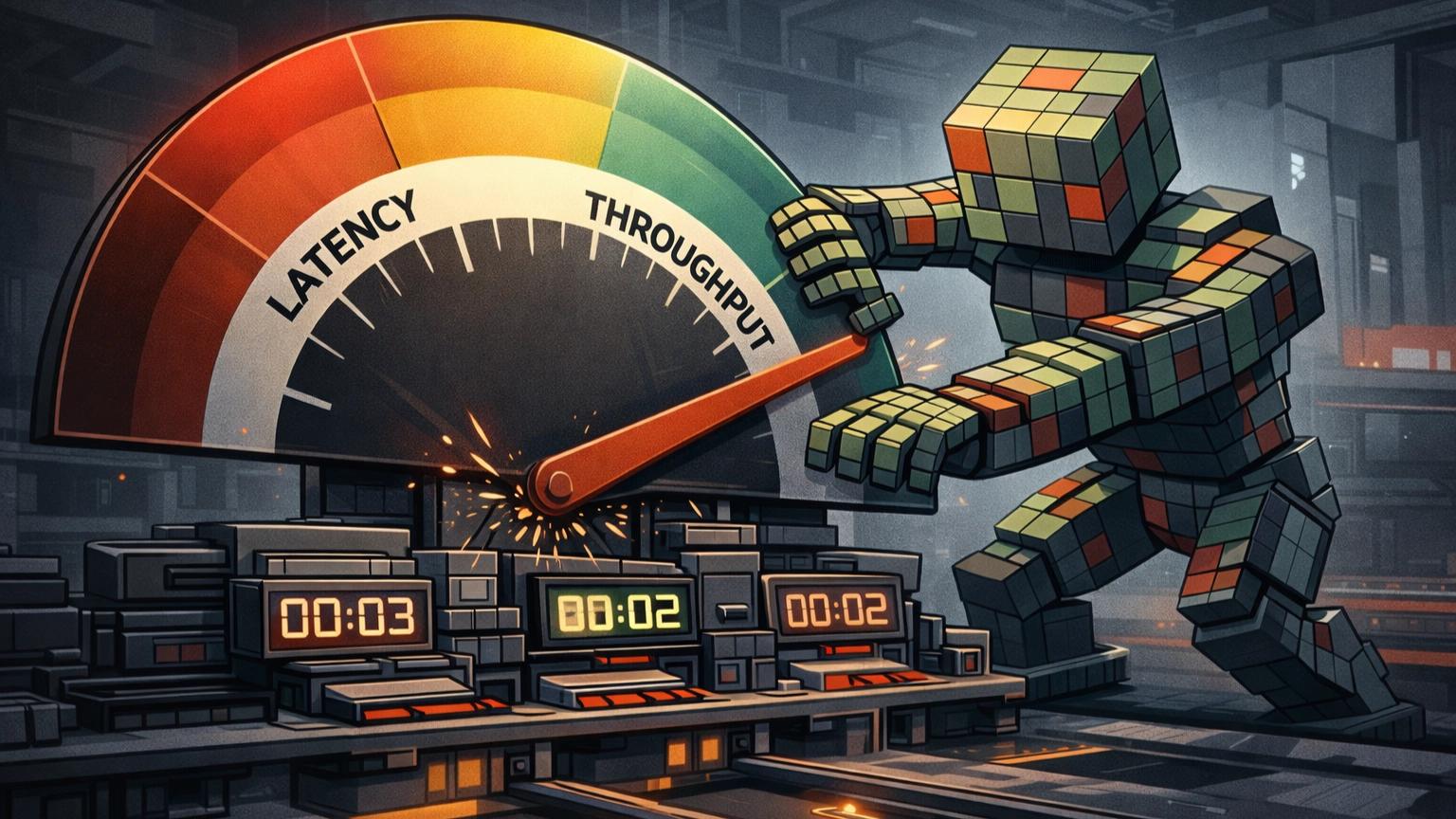
Ethereum’s layer-2 landscape faced renewed scrutiny in early February after base-layer transaction fees fell faster than many scaling roadmaps anticipated, weakening the long-standing assumption that Ethereum would remain structurally expensive. Vitalik Buterin said on Feb. 3, 2026 that “most existing Layer 2s no longer have a clear purpose,” tying the reassessment to lower Ethereum fees and slow progress toward fully decentralized rollups. He added that the long-promoted vision of “the same chain everywhere” no longer fits current technical and economic realities.
Usage data released on Feb. 4, 2026 shows that more than 80% of 135 tracked Ethereum layer-2 networks record fewer than 1 user operation per second on a daily average basis. Only about 27 networks exceed that threshold, while roughly 109 networks operate below it, using user operations per second as a proxy for actual demand rather than theoretical capacity. The figures describe a landscape where many deployed rollups see minimal sustained activity.
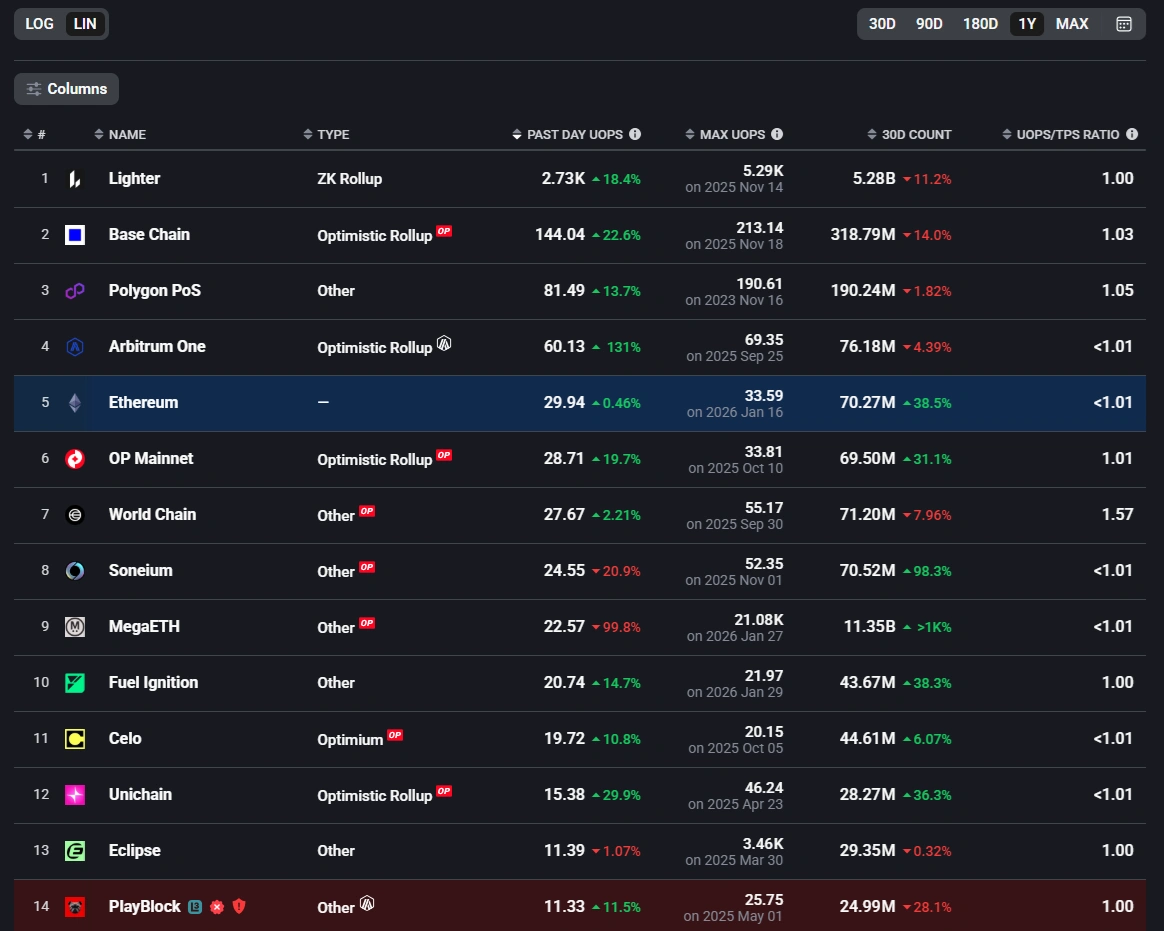
Despite an aggregate scaling factor cited at roughly 97×, transaction flow remains heavily concentrated. Arbitrum and Base together process approximately 90% of all Ethereum layer-2 activity, according to the same dataset. The concentration mirrors value distribution across the ecosystem, with the three largest rollups controlling about 71% of total rollup value, leaving a long tail of networks with limited liquidity and usage.
Liquidity figures further outline the imbalance. Ethereum’s base layer holds around $68 billion in total value locked, compared with roughly $50 billion across all layer-2 networks combined. Several rollups were described as relying primarily on incentive programs to maintain activity, while Base was cited as frequently recording more daily users than Ethereum itself due to lower transaction costs and consumer-oriented onboarding.
The discussion around decentralization centers on a stage framework used to classify rollups. Stage 0 rollups retain heavy reliance on centralized actors and emergency controls, Stage 1 rollups implement proof systems and partial safeguards but still depend on governance councils or upgrade keys, and Stage 2 rollups are defined as having “no training wheels,” with critical safety guarantees enforced by code rather than discretionary intervention. Distribution data places 91.5% of rollup value in Stage 1, 8.5% in Stage 0, and about 0.01% in Stage 2, which Buterin described as “basically empty.”
Buterin linked the slow transition toward Stage 2 to both technical difficulty and governance inertia, noting that many rollups still maintain upgrade paths that can bypass delays or rely on small security councils. He said some projects labeled as layer-2 networks would be more accurately described as separate chains connected by bridges, arguing that security assumptions diverge materially from Ethereum’s base layer in those cases.
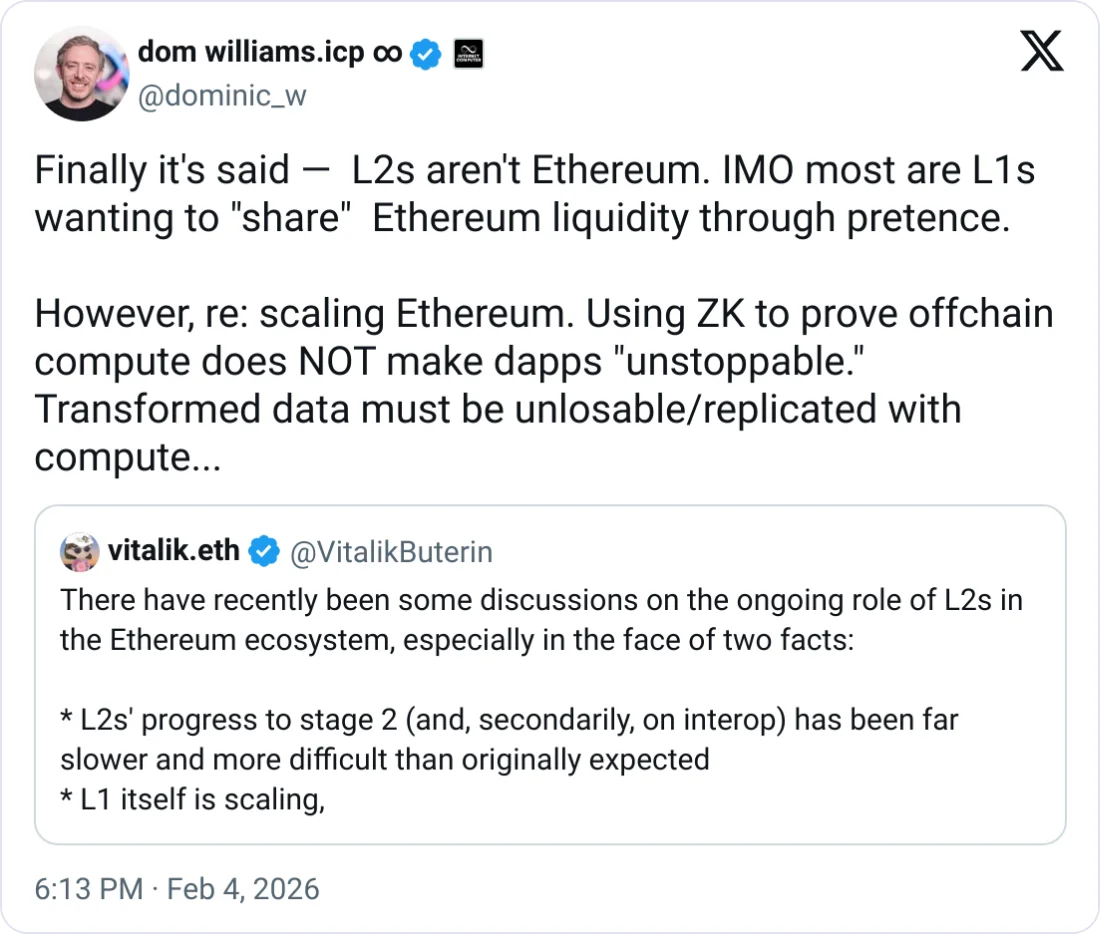
Criticism of rollup guarantees extended beyond decentralization stages. One developer said, “Using ZK to prove offchain compute does NOT make dapps ‘unstoppable.’ Transformed data must be unlosable/replicated…”, raising concerns about data availability and long-term accessibility even when zero-knowledge proofs are used. The statement was cited in discussions about whether cryptographic proofs alone are sufficient to inherit Ethereum-level security.
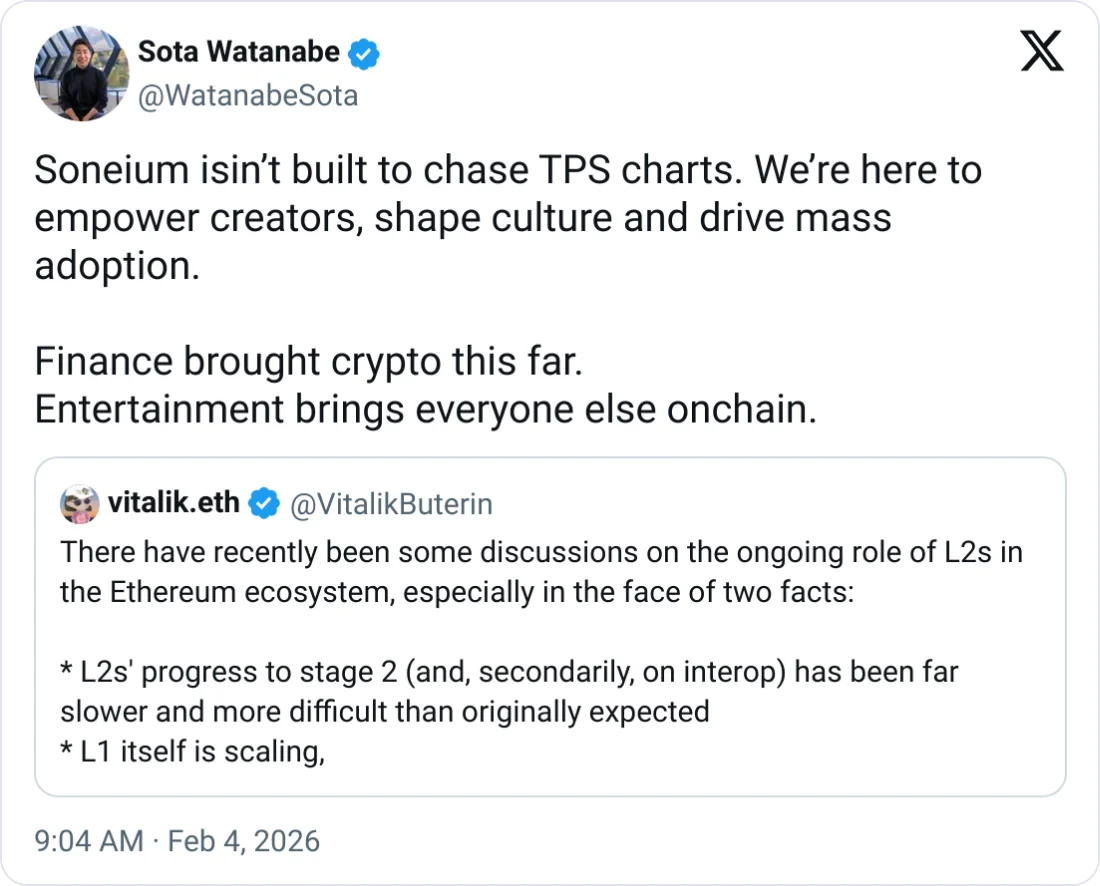
Views across the ecosystem diverged on what role layer-2 networks should play as Ethereum scales. Some builders argued that layer-2s remain necessary for latency-sensitive applications and execution environments not addressed by the base layer. Others emphasized consumer adoption over raw throughput, with one industry figure stating, “Finance brought crypto this far. Entertainment brings everyone else onchain.”
Buterin also referenced research directions under discussion, including native verification modules and based rollups designed to improve composability and security guarantees. He noted these ideas remain conceptual rather than deployed as of Feb. 4, 2026, and should not be treated as near-term protocol changes.
This article has been refined and enhanced by ChatGPT.


