




 USD
USD
Solana Launches Enterprise Developer Platform With Mastercard, Western Union and Worldpay

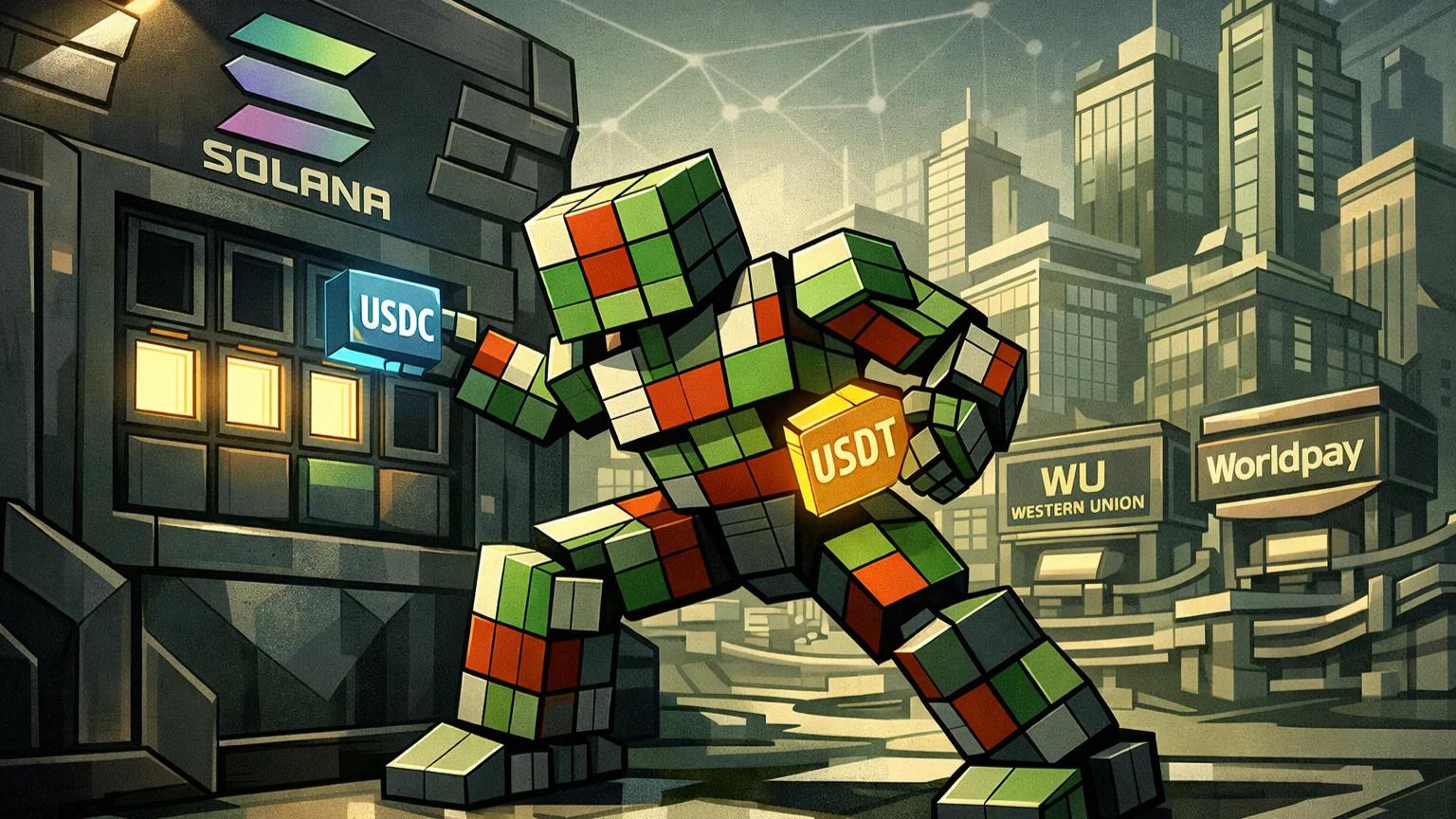
Sandbox rollout introduces issuance and payments modules with trading features planned later in 2026
TL;DR
- Solana debuts an API-based enterprise developer platform with issuance and payments live, trading module coming later
- Mastercard, Western Union and Worldpay among early adopters using stablecoins, settlement and cross-border flows
- Platform integrates over 20 partners across custody, compliance, infrastructure and payment rails
We’ve launched the all-new COIN360 Perp DEX, built for traders who move fast!
Trade 130+ assets with up to 100× leverage, enjoy instant order placement and low-slippage swaps, and earn USDC passive yield while climbing the leaderboard. Your trades deserve more than speed — they deserve mastery.
Solana Foundation unveiled its enterprise-focused Solana Developer Platform on March 24, 2026, introducing an API-driven stack designed to let financial institutions build blockchain-based products without assembling infrastructure independently. The platform is positioned as a unified interface for launching financial applications across tokenized assets, payments and trading workflows, with availability currently limited to a sandbox environment running on devnet rather than full production deployment.
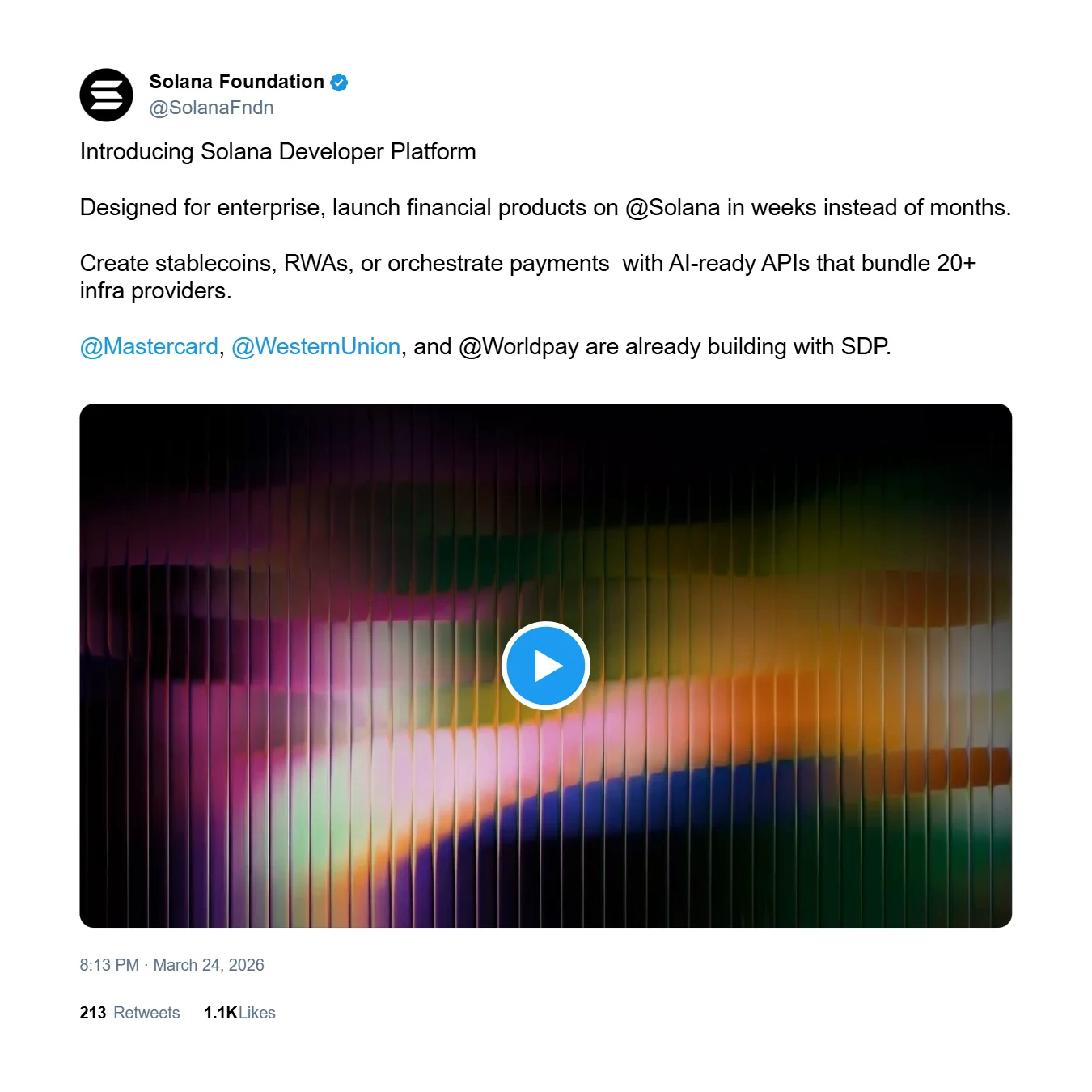
The product’s architecture is organized into three modules covering issuance, payments and trading, with the issuance and payments components already active at launch while the trading functionality is scheduled for release later in 2026. The issuance module enables tokenized deposits, GENIUS-compliant stablecoins and tokenized real-world assets, while the payments module handles orchestration of fiat and stablecoin flows including on-ramps, off-ramps and onchain transfers across business-to-business, consumer and peer-to-peer transactions.
Mastercard is listed among the earliest adopters, focusing on stablecoin settlement across selected blockchain networks starting with Solana. Raj Dhamodharan, executive vice president of blockchain and digital assets at Mastercard, said, “The next phase of digital asset innovation will be defined by practical use cases that integrate seamlessly with existing financial systems,” adding that the company is working to enable direct stablecoin settlement by combining blockchain capabilities with “the reliability, security and global reach of the Mastercard network.”
Western Union is developing cross-border payment use cases on the platform, integrating blockchain infrastructure alongside its existing systems. Malcolm Clarke, the company’s vice president of digital assets, said the integration introduces “an API-driven, on-chain layer” that can orchestrate fiat and stablecoin flows end to end, adding that it supports efforts to innovate faster, expand new use cases and move more cross-border activity onchain “in a scalable, compliant way.”
Worldpay is using the issuance and payments modules to enable merchants to access onchain settlement and tokenized asset capabilities. Ahmed Zifzaf, head of crypto partnerships at Worldpay, said the integration allows merchants to unlock new business models and incorporate digital assets into everyday commerce.
The platform launch includes integration with more than 20 infrastructure providers spanning node services, custody, compliance and payment rails. Node providers include Alchemy, Helius, QuickNode and Triton, offering managed infrastructure designed to abstract blockchain complexity and support low-code or no-code development environments for enterprises building financial applications.
Custody and wallet partners include Anchorage Digital, BitGo, Coinbase, Crossmint, Dfns, Dynamic, Fireblocks, Para, Paxos, Privy and Turnkey, giving institutions multiple options for asset storage, security and transaction management within the platform’s framework. Compliance integrations include Chainalysis, Elliptic, Range and TRM, providing tools for identity verification, transaction monitoring and regulatory requirements such as KYC, KYB and Travel Rule compliance.
Payment and ramp providers integrated into the system include Bridge, BVNK, Lightspark, Modern Treasury and MoonPay, supporting movement between fiat and digital assets through on-ramp and off-ramp infrastructure embedded directly within the platform. These integrations allow institutions to connect traditional financial rails with blockchain-based settlement within a single operational environment.
Catherine Gu, head of product for digital assets at Solana Foundation, described the system as “an easy gateway” for institutions, stating the platform is “entirely API-based,” enabling developers to interact with blockchain infrastructure without deep protocol-level expertise. She said the platform aggregates features such as token extensions for permissioning and privacy and connects them directly with enterprise-grade services across the Solana ecosystem.
Solana said the platform is compatible with AI-assisted development tools, including OpenAI Codex and Anthropic Claude Code, allowing developers to build applications using automated coding workflows alongside the platform’s API layer.
This article has been refined and enhanced by ChatGPT.


