




 USD
USD
Tether Weighs $20 Billion Capital Raise, Halts Secondary Share Sales, and Explores Tokenized Equity at Near $500 Billion Valuation

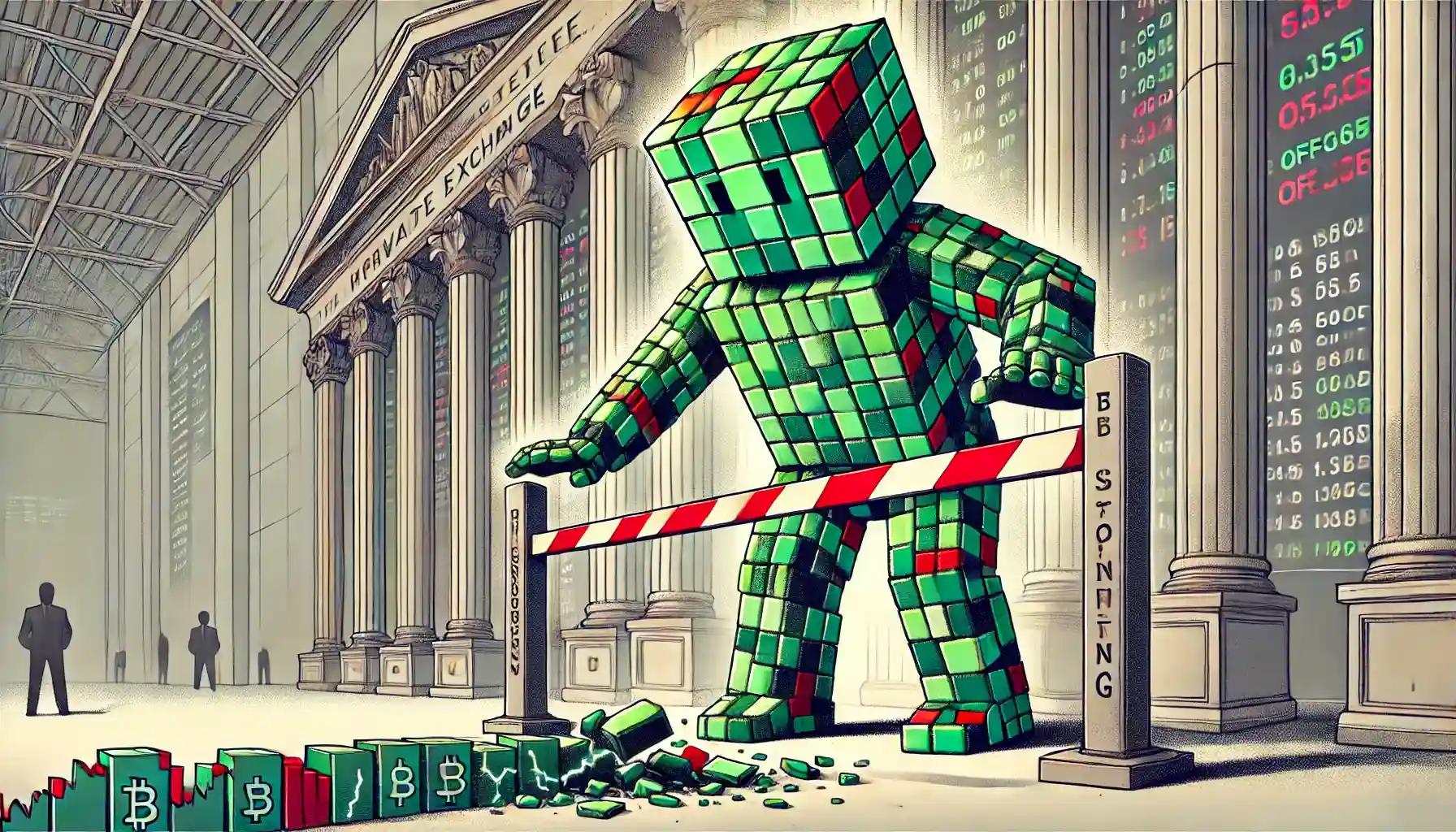
Stablecoin Giant Tightens Control Over Valuation as Buybacks and Blockchain-Based Shares Enter the Discussion
TL;DR
- Tether is considering a fundraising round of up to $20 billion at a valuation approaching $500 billion, while blocking off-market share sales that implied significantly lower pricing.
- The company is reviewing share buybacks and tokenized equity as potential liquidity options for existing shareholders, with no IPO planned in the near term.
- Moves come as USDT circulation nears $186 billion and annual profits are estimated around $15 billion, reinforcing Tether’s push to control valuation optics.
We’ve just launched the all-new COIN360 Perp DEX, built for traders who move fast!
Trade 130+ assets with up to 100× leverage, enjoy instant order placement and low-slippage swaps, and earn USDC passive yield while climbing the leaderboard. Your trades deserve more than speed — they deserve mastery.
Tether is recalibrating its capital strategy as it explores one of the largest private fundraising efforts ever attempted in the cryptocurrency sector, while simultaneously clamping down on secondary market share sales that management believes undermine its targeted valuation. The stablecoin issuer is assessing a potential equity raise of up to $20 billion, a figure that would place the company’s implied valuation near $500 billion, according to people familiar with the discussions. The effort would rank among the most ambitious private capital raises globally, crypto or otherwise, and reflects Tether’s growing confidence in the scale and profitability of its business as USDT continues to dominate stablecoin markets.
Tension around valuation became evident after at least one shareholder sought to sell more than $1 billion worth of Tether shares privately at an implied valuation of roughly $280 billion, well below the level the company is targeting in fundraising talks. Tether leadership intervened to halt those off-market transactions, describing such attempts as reckless and imprudent, according to reporting cited by multiple outlets. Executives were concerned that discounted secondary sales could distort price discovery, weaken negotiating leverage with banks and institutional investors, and anchor expectations far below what the company believes its financial performance justifies.
Rather than allowing existing investors to cash out, Tether’s contemplated fundraising round is structured to bring in fresh capital only, with secondary sales excluded. That approach is designed to reinforce valuation discipline and channel new funds toward expansion and strategic initiatives instead of shareholder liquidity. At the same time, the lack of an initial public offering on the horizon leaves early backers with limited exit routes, prompting internal discussions about alternative mechanisms to address pent-up liquidity demand once the fundraising round concludes.
Two options under active consideration are a formal share buyback program and the tokenization of Tether’s equity. A buyback would allow the company to repurchase shares in a controlled manner, offering liquidity without exposing Tether to the volatility and optics of unrestricted secondary trading. Tokenized equity, meanwhile, would involve issuing blockchain-based representations of Tether shares that could trade on compliant digital infrastructure, potentially opening a new liquidity channel while avoiding the regulatory and disclosure burdens of a public listing. The concept aligns with Tether’s broader push into tokenization through its Hadron platform, which already supports tokenized versions of bonds, commodities, and corporate equity.
Discussion of tokenized shares places Tether squarely within a broader industry trend, even as the market for tokenized real-world assets remains relatively small at around $18 billion. Several trading and brokerage platforms already facilitate blockchain-based representations of stocks, and Tether’s scale could make it one of the most prominent issuers to test the model. For the company, tokenized equity is less about experimentation and more about infrastructure, extending its core thesis that blockchain rails can support traditional financial instruments more efficiently than legacy systems.
Underlying Tether’s valuation confidence is the sheer size and profitability of its stablecoin business. USDT circulation has climbed to approximately $186 billion, reinforcing its position as the dominant dollar-pegged token globally. Estimates cited in recent coverage suggest annual profits around $15 billion, figures that help explain why management is resisting secondary pricing that implies a far lower enterprise value. Executives view these metrics as evidence that Tether’s earnings power and market reach justify a valuation more commonly associated with the world’s largest technology firms.
Halting off-market share sales also sends a clear signal about governance and capital discipline. By asserting control over how and when equity changes hands, Tether is attempting to prevent fragmented price signals from shaping investor perception ahead of a major fundraising effort. The move underscores a broader shift in how large private crypto firms manage their cap tables as they mature, generate significant cash flow, and attract increasingly institutional counterparties.
Timing for the proposed capital raise has not been formally announced, though discussions are understood to be oriented toward a potential close before the end of the year, subject to market conditions and investor appetite. No final decision has been made on whether buybacks or tokenized equity will be implemented, and both options remain exploratory. Still, the combination of a massive potential raise, strict control over secondary trading, and experimentation with blockchain-based ownership structures highlights how Tether is positioning itself not just as a stablecoin issuer, but as a diversified financial infrastructure company intent on shaping its own capital markets narrative.
This article has been refined and enhanced by ChatGPT.


