




 USD
USD
Tether launches self-custodial wallet for USDT, Bitcoin payments

New “People’s Wallet” targets global users with simplified crypto transfers
TL;DR
- Tether launched a self-custodial wallet on April 14, 2026 supporting USDT, Bitcoin and tokenized gold
- The app removes crypto friction with human-readable addresses and asset-based fee payments
- CEO Paolo Ardoino positions it for billions of users and future AI-driven transactions
We’ve launched the all-new COIN360 Perp DEX, built for traders who move fast!
Trade 130+ assets with up to 100× leverage, enjoy instant order placement and low-slippage swaps, and earn USDC passive yield while climbing the leaderboard. Your trades deserve more than speed — they deserve mastery.
Tether on April 14, 2026 introduced a self-custodial consumer wallet designed to enable direct payments using USDT, Bitcoin and tokenized assets, marking a shift from infrastructure provider to end-user financial platform.
The product, named tether.wallet, allows users to send and receive digital assets without intermediaries, while maintaining full control of their funds through on-device key storage and local transaction signing.
Wallet targets direct user adoption at global scale
Tether positioned the launch as a move to serve “billions of users left behind by the traditional financial system,” expanding beyond its role as a backend provider of liquidity and settlement infrastructure.
The company said its ecosystem already reaches more than 570 million people globally, with tens of millions of new wallets added each quarter, though most of that activity has historically flowed through exchanges, developers and payment platforms rather than direct consumer interfaces.
Paolo Ardoino, CEO of Tether, described the product as “the People’s Wallet,” adding that it is designed to make digital asset transfers “as easily as sending a message,” while preserving self-custody and eliminating reliance on centralized intermediaries.
Simplified crypto experience removes key barriers
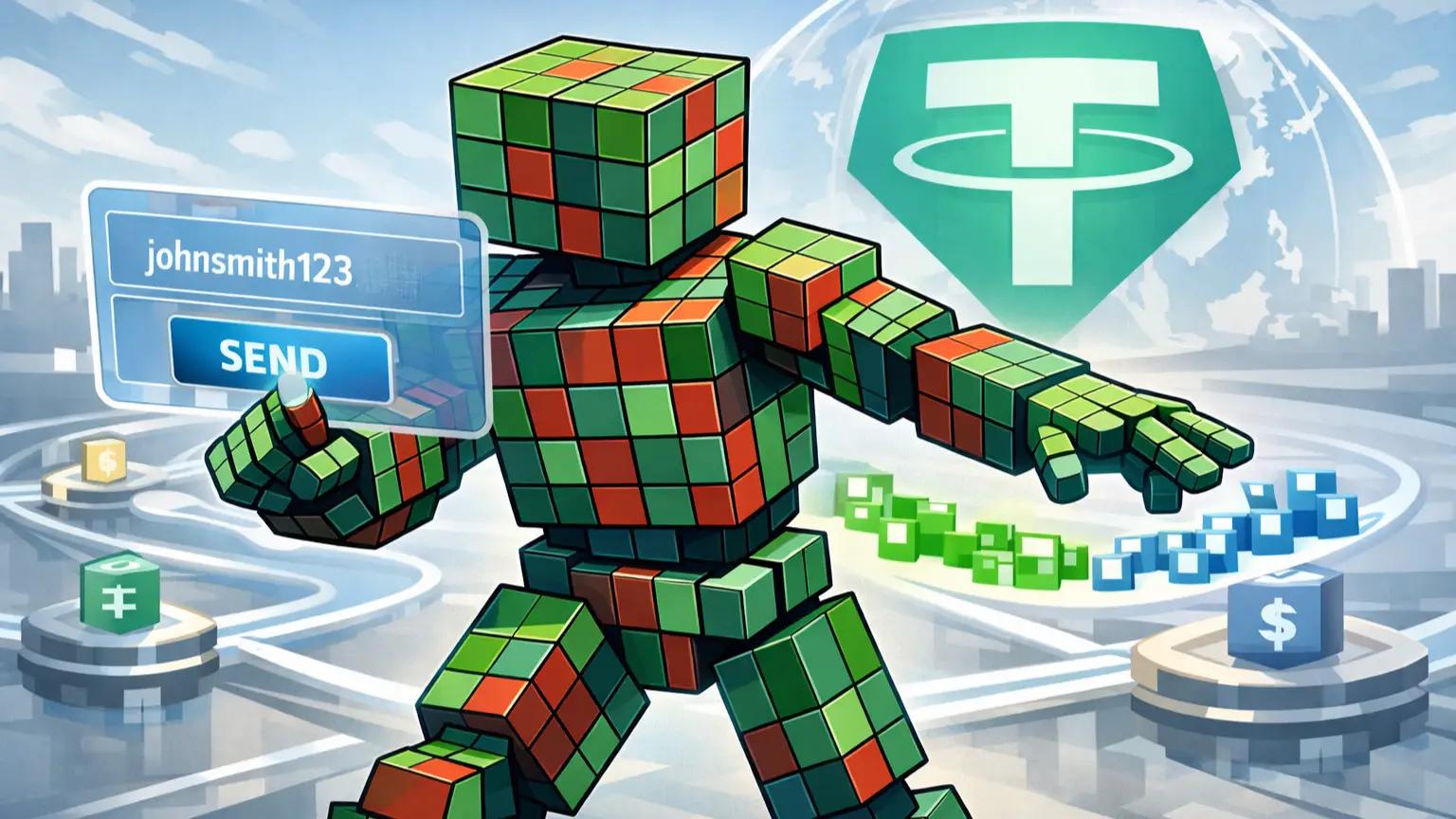
The wallet introduces human-readable identifiers, allowing users to send funds using formats such as “[email protected]” instead of long alphanumeric wallet addresses.
It also removes the need for separate gas tokens by allowing transaction fees to be paid in the same asset being transferred, while automatically handling network selection and routing in the background.
These features are designed to abstract away technical complexity, a persistent barrier to mainstream crypto adoption, by combining multi-chain functionality with simplified user experience.
Asset support focuses on core monetary instruments
At launch, the wallet supports a limited set of assets:
Tether said the selection reflects its view that these are “the only assets that truly matter for most of the people,” combining digital dollars, tokenized commodities and Bitcoin within a single wallet.
USDT, Tether’s flagship stablecoin, was reported at a market capitalization of $184.688 billion as of April 14, 2026, with one reference describing it as a $185 billion token.
Built on open infrastructure and AI-ready design
The wallet is powered by Tether’s open-source Wallet Development Kit, which enables developers to build self-custodial wallets for both individuals and automated systems.
The company previously used the same infrastructure in integrations such as the Rumble wallet and stablecoin payout systems, positioning tether.wallet as a direct consumer application built on an existing technology stack.
Ardoino linked the launch to a broader vision of machine-native finance, stating that Tether is preparing for a future where “tens of billions of humans, machines, and trillions of AI agents will transact seamlessly at the speed of light.”
Shift from backend infrastructure to consumer product
The release marks a transition for Tether from operating primarily behind the scenes to offering a branded, user-facing financial product.
Historically, Tether’s role has centered on providing stablecoin liquidity and settlement infrastructure across the crypto ecosystem, with limited direct engagement at the consumer application layer.
The new wallet reflects an effort to bring that infrastructure directly to end users, combining self-custody, simplified payments and multi-asset support into a single interface.
FAQ
What is tether.wallet?
A self-custodial wallet enabling direct USDT, Bitcoin and tokenized asset payments.
Who controls funds in the wallet?
Users control funds through on-device private keys and local transaction signing.
What makes the wallet different?
Human-readable addresses and no need for separate gas tokens.
What is Tether’s long-term vision?
Support payments across billions of users, machines and AI agents.
This article has been refined and enhanced by ChatGPT.


