


 USD

Trump Nominates Four to SEC and CFTC as Crypto Regulation Debate Shifts

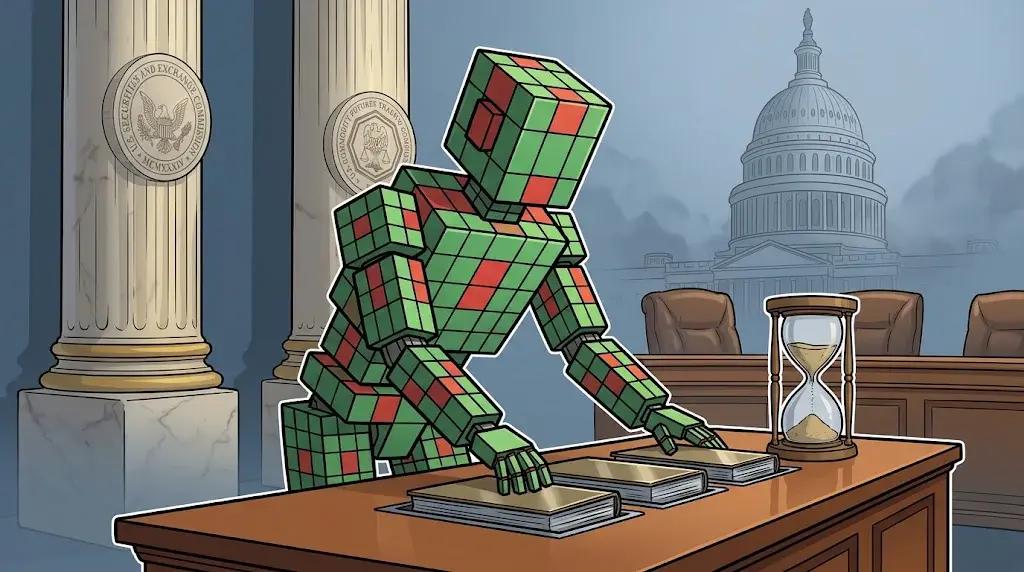
Bipartisan appointments face a tight Senate confirmation window as the stalled CLARITY Act leaves regulators driving digital asset policy
TL;DR
- President Donald Trump nominated four candidates to the SEC and CFTC on November 12, 2026, including two Republicans and two Democrats.
- The nominees include former CFTC Commissioner Kristin Johnson and two officials involved in drafting the stalled CLARITY Act.
- Senate confirmation could bring both agencies closer to full membership, although three commission seats would remain vacant.
Trade smarter on Jupiter, Solana’s leading DEX built for fast execution and deep liquidity.
Swap tokens at competitive rates, route across multiple liquidity sources automatically, and access perpetuals, DCA, and advanced trading tools — all in one place!
President Donald Trump nominated four candidates to the Securities and Exchange Commission (SEC) and Commodity Futures Trading Commission (CFTC) on November 12, 2026, seeking to rebuild the leadership of the federal agencies overseeing cryptocurrency markets. The White House submitted Nathan Anonick and Matthew Rowland for the CFTC, alongside Kristin N. Johnson and Steven Levine for the SEC. The bipartisan slate marks Trump's first Democratic nominations to either agency during his second term, as Congress struggles to advance comprehensive crypto legislation.
Nominees Bring Crypto Policy Experience to Both Agencies
The CFTC nominees have direct experience with cryptocurrency legislation. Anonick, a Republican, serves as legislative counsel to Senate Agriculture Committee Chairman John Boozman and helped negotiate the committee's provisions of the CLARITY Act. Rowland, a Democrat, is a career CFTC attorney assigned to the same committee. He also worked on an earlier crypto bill in 2024 and previously served as senior counsel in Johnson's CFTC office. The Senate Agriculture Committee, which shares jurisdiction over cryptocurrency market structure, will review their nominations.
Johnson served as a CFTC commissioner from 2022 to 2025 and now teaches law at George Washington University. Her regulatory work covered digital asset custody, decentralized finance (DeFi), artificial intelligence and consumer protection. During her 2025 farewell speech, she warned of "too few guardrails" in prediction markets. Johnson would fill the SEC seat previously held by Caroline Crenshaw, a frequent critic of the cryptocurrency industry, potentially bringing a different perspective on investor protections and digital asset oversight.
Levine, a Republican, has served as longtime counsel to SEC Commissioner Mark Uyeda and previously worked with the White House Council of Economic Advisers. He has been nominated for the seat formerly held by Hester Peirce, who was a prominent cryptocurrency advocate and headed the SEC's Crypto Task Force. Unlike Peirce, Levine has a less-established public record on digital asset policy, leaving his position on the agency's existing crypto initiatives less defined. The Senate Banking Committee will handle the SEC nominations.
Confirmation Could Reduce Vacancies as Senate Deadline Approaches
The nominations come as both regulators operate with substantially reduced membership. The SEC currently has Chairman Paul Atkins and Commissioner Mark Uyeda, while the CFTC has operated with Michael Selig as its sole commissioner since December 2025. Approval of the bipartisan slate would increase the number of seated commissioners across both agencies, while leaving Republicans with majority control of each.
The proposed changes to commission membership are as follows:
The confirmation process faces a narrow political window following Democrats' victory in the Senate elections. Senate Banking has scheduled a November 19 hearing for Johnson and Levine, while Senate Agriculture has yet to schedule a hearing for the CFTC candidates. Nominations still pending when the new Congress convenes on January 3, 2027, would return to the White House. Johnson encountered that outcome with a separate Treasury nomination in 2024.
The appointments also follow roughly a year without comparable nominations to the agencies. Earlier attempts to fill CFTC leadership vacancies encountered political disputes, including the withdrawal of Brian Quintenz as Trump's nominee for CFTC chairman following a conflict involving the Winklevoss twins. The latest slate's bipartisan composition could help address staffing shortages, although each candidate still requires Senate approval before taking office.
SEC and CFTC Advance Crypto Rules After CLARITY Act Setback
The confirmation process is unfolding as the CLARITY Act remains stalled in Congress, leaving regulators to advance cryptocurrency policies through their existing authority. The proposed market structure legislation passed the House in July 2025 but failed to advance in the Senate. A procedural vote on September 15 ended 49 to 50, below the 60 votes required. The setback has placed greater emphasis on the SEC and CFTC as both agencies pursue their respective approaches to digital asset regulation.
The SEC has already introduced several cryptocurrency policy initiatives, including an innovation exemption for tokenized stocks, proposed custody rules for investment advisers holding digital assets and guidance suggesting that most crypto assets are not securities. On August 18, the agency released its proposed Regulation Crypto Assets framework, which includes a one-time exemption for offerings of up to $5 million over four years and another allowing up to $75 million annually. Those proposals have not been finalized.
The CFTC has also continued developing rules under its existing authority, including clearing perpetual futures tied to individual stocks, considering federal oversight of cryptocurrency exchanges and moving to classify certain event contracts as swaps. An October 5 advance notice sought public comments on retail cryptocurrency transactions without imposing binding requirements. The agency's work has proceeded despite its reduced membership, while disputes with state regulators over prediction markets remain part of its broader regulatory agenda.
Commission membership could influence how those initiatives progress. Lawmakers had raised concerns about the legal vulnerability of rules adopted by a commission operating with only one member. Broader participation in regulatory decisions could make those policies more resilient to legal challenges and subsequent changes in leadership. The appointments could also become relevant if lawmakers revive the CLARITY Act in 2027.
The nomination announcement itself does not alter existing cryptocurrency regulations. For now, the proposed leadership changes remain subject to Senate confirmation while both regulators continue their ongoing rulemaking efforts.
This article has been refined and enhanced by ChatGPT.


