




 USD
USD
Senate Agriculture Committee Advances GOP-Only Crypto Market Structure Bill as Coinbase Pulls Support

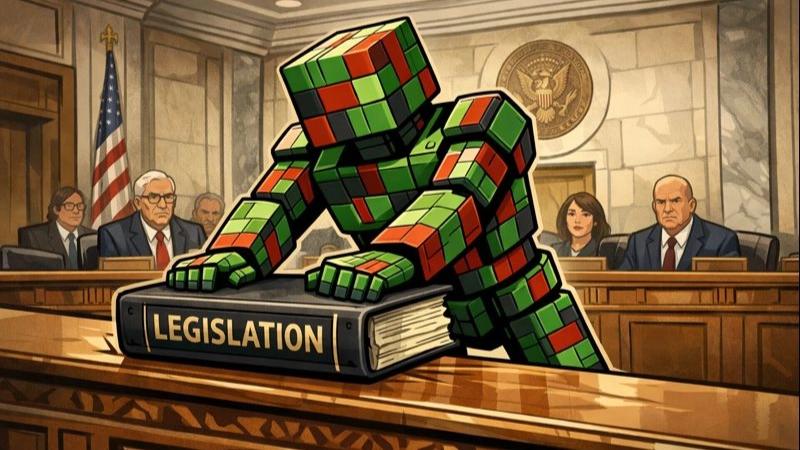
Updated draft sets Jan. 27 markup, expands CFTC authority, and exposes Senate rift over DeFi, stablecoins, and rewards
TL;DR
- Senate Agriculture Committee released a GOP-only crypto market structure draft on Jan. 22, 2026, with a markup scheduled for Jan. 27, 2026.
- The bill expands CFTC authority over digital commodities and diverges from the Senate Banking Committee’s stalled effort.
- Coinbase withdrew support, citing “fatal flaws,” including potential rewards restrictions and unresolved SEC–CFTC issues.
We’ve launched the all-new COIN360 Perp DEX, built for traders who move fast!
Trade 130+ assets with up to 100× leverage, enjoy instant order placement and low-slippage swaps, and earn USDC passive yield while climbing the leaderboard. Your trades deserve more than speed — they deserve mastery.
The Senate Agriculture Committee on Jan. 22, 2026, published a revised crypto market structure draft that failed to secure Democratic support, moving forward as a Republican-only proposal after months of negotiations. The release followed earlier bipartisan talks and set a committee markup for Jan. 27, 2026, according to materials published by the panel. The legislation is separate from the Senate Banking Committee’s parallel crypto market structure bill, creating two competing Senate tracks that must eventually be reconciled before any measure can advance to the Senate floor.
Committee Chair John Boozman said the updated text followed months of collaboration with Sen. Cory Booker while acknowledging unresolved disputes. “While differences remain on fundamental policy issues, this bill builds on our bipartisan discussion draft while incorporating input from stakeholders and represents months of work,” Boozman said. “Although it's unfortunate that we couldn’t reach an agreement, I am grateful for the collaboration that has made this legislation better.” A spokesperson for Booker said the senator had been “working in good faith with Senator Boozman for months to craft market structure legislation that can get broad support in the Senate.”
The Agriculture Committee draft would grant the Commodity Futures Trading Commission expanded authority to regulate digital commodities, extending beyond its current derivatives-focused mandate. Critics described the proposal as less favorable to the crypto industry than the Banking Committee’s earlier draft, warning that the Agriculture version could impose more extensive oversight and custody requirements on crypto intermediaries. The bill text released on Jan. 22 removed bracketed provisions that had appeared in prior versions, signaling leadership intent to formalize its negotiating position ahead of the Jan. 27 meeting.
Earlier iterations of the legislation included a 155-page bipartisan discussion draft released in November, which proposed giving the CFTC new authority but left key questions unresolved. Those bracketed sections addressed issues such as decentralized finance regulation, joint rulemaking authority between the CFTC and the Securities and Exchange Commission, and the treatment of stablecoins. The latest version excludes sections covering the “treatment of certain noncontrolling blockchain developers” and anti-money laundering provisions that appeared in prior drafts.
Industry groups responded cautiously to the updated text. Crypto Council for Innovation Chief Executive Officer Ji Hun Kim called the release “an important step.” “The release of this market structure legislation is an important step toward a comprehensive framework for digital commodities,” Kim said. “Clear rules of the road are essential to protecting American consumers, supporting responsible innovation, and strengthening U.S. leadership.” The Senate Agriculture Committee has jurisdiction over the CFTC, while the Senate Banking Committee oversees the SEC, placing the two panels at the center of crypto regulatory oversight.
The Banking Committee’s version of a crypto market structure bill stalled after Coinbase withdrew its support, prompting the cancellation of a planned hearing to amend and vote on that legislation. The setback occurred days before the Agriculture Committee released its GOP-only draft, intensifying divisions within the Senate over how to regulate crypto markets and assign authority between agencies.
Coinbase explained its decision in comments published on Jan. 22, 2026, with a company vice president citing what were described as “fatal flaws” in the Senate bill. According to the executive, Coinbase pulled backing because a potential ban on rewards and limited SEC flexibility would have left everyday crypto users worse off. The company also raised concerns about the treatment of tokenized equities, decentralized finance, and the delineation of responsibilities between the SEC and the CFTC.
Stablecoin rewards emerged as a particularly contentious issue in the debate. Banking groups have criticized existing stablecoin legislation known as GENIUS, which passed over the summer, arguing that allowing third-party platforms to offer rewards could divert deposits from community banks. The GENIUS law bars issuers from paying direct interest to stablecoin holders but does not prohibit third-party platforms from offering rewards, a distinction that has fueled lobbying by both banks and crypto firms.
Any crypto market structure bill approved by the Agriculture Committee must be reconciled with the Banking Committee’s version before advancing to the Senate floor. A unified bill would require 60 votes to pass, a threshold that would need unanimous Republican support and backing from some Democrats, according to Senate procedure.
This article has been refined and enhanced by ChatGPT.


